Cessna 172RG Rear RH Baffle Assembly
Cessna 172RG Rear RH Baffle Assembly
Blog Article
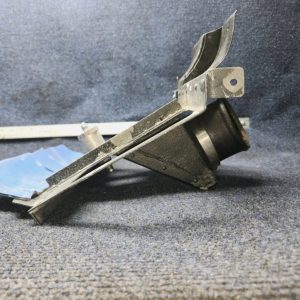
The Cessna 172RG Rear RH Baffle Assembly
The Cessna 172RG Rear Right-Hand Baffle can support airflow management, while the Cessna 172RG Engine Baffle and Cessna 172RG Cooling Baffle descriptions should not imply universal interchangeability.
The Cessna 172RG Baffle Assembly works with surrounding seals and panels, while the Rear RH Engine Baffle should not be evaluated as an isolated piece.
Clear descriptions of Cessna 172RG Engine Compartment Parts help maintenance professionals estimate the full scope of the repair.
The Cessna Aircraft Engine Baffle may provide replacement value when its geometry, mounting points, seals, and material condition remain suitable.
Reviewing the 2455038-2 Component
The P/N 2455038-2 marking should be confirmed through stamped identification, labels, donor-aircraft records, packaging, photographs, and applicable Cessna parts information.
Any alternate number, superseded number, drawing reference, repair marking, or donor-aircraft serial number should remain connected with the component.
How Aircraft Baffles Direct Cooling Air
The rear right-hand baffle helps guide cooling air through intended paths around the engine installation rather than allowing it to escape through uncontrolled gaps.
A replacement component should restore the intended geometry without creating interference with cylinders, hoses, wiring, controls, exhaust parts, or cowling.
Avoiding Incorrect Baffle Substitution
The Cessna 172RG click here Cutlass may contain production changes, previous repairs, engine modifications, or altered cooling-system components that affect fitment.
Qualified maintenance personnel should determine whether the component is suitable for installation.
Maintaining Original Baffle Geometry
Preserving original geometry supports proper alignment and airflow management.
Professional handling protects the value of the Cessna Aircraft Engine Baffle.
Rear RH Baffle Damage Inspection
Inspection should begin with the baffle clean enough to reveal cracks, corrosion, dents, distortion, elongated holes, fretting, damaged flanges, broken brackets, and previous repairs.
Unusual waviness or twisted geometry should be measured rather than dismissed as cosmetic.
Cessna Cooling Air Seal Replacement
Torn, hardened, curled, shortened, oil-soaked, missing, or incorrectly oriented seals can reduce the effectiveness of the cooling system.
Seal overlap, direction, clearance, and edge contact should be checked after installation.
Corrosion Inspection and Prevention
Aggressive sanding or grinding can remove structural material and complicate assessment.
The cause of contamination should be corrected before a replacement baffle is installed.
Maintaining Secure Baffle Connections
Fastener holes should be checked for elongation, cracking, burrs, corrosion, double drilling, fretting, and evidence of repeated removal.
Fastener type, diameter, grip, spacing, and installation method should correspond with applicable data.
Cessna 172RG Engine Compartment Parts
A missing bracket, damaged seal, or distorted neighboring panel can delay installation even when the primary baffle is available.
Used Cessna 172RG Engine Compartment Parts should be evaluated individually rather than accepted solely because they came from the same donor aircraft.
Baffle-Related Temperature Problems
Complete troubleshooting helps prevent unnecessary replacement and repeated maintenance.
System-level diagnosis supports responsible engine cooling maintenance.
Sheet-Metal Cooling Component Restoration
Repair should not be selected only because it appears less expensive initially.
Professional workmanship can extend component value while preserving cooling-system geometry.
Buying P/N 2455038-2
Components with clear donor-aircraft information, current photographs, and transparent condition descriptions are easier for professional buyers to evaluate.
Accurate commercial information supports responsible Cessna 172RG Replacement Baffle transactions.
Evaluating P/N 2455038-2
Any uncertainty regarding orientation, completeness, engine clearance, or aircraft compatibility should be resolved before shipment.
- Compare the baffle with applicable parts information, the removed component, surrounding panels, mounting locations, dimensions, brackets, seals, and cowling clearances.
- Do not treat clean paint, straight appearance, or donor-aircraft history as proof of current serviceability.
- Inspect and photograph the assembly immediately after delivery before cleaning, stripping, drilling, bending, repairing, painting, or installation.
Aircraft Cooling Baffle Packaging
The shipping container should resist crushing, puncture, vibration, and uncontrolled movement.
Identification tags and records should remain attached or clearly associated with the component.
Fitting P/N 2455038-2
The engine compartment should be inspected before the replacement component is positioned permanently.
Temporary fitting can help reveal alignment and clearance concerns before final attachment.
Disciplined installation and documentation protect the Cessna 172RG Rear RH Baffle Assembly
Preventive Engine Baffle Maintenance
Long-term maintenance includes periodic inspection of the baffle, seals, fasteners, brackets, adjacent panels, cowling contact areas, protective finishes, and corrosion-prone locations.
Recurring cracks or loose attachments should prompt investigation of vibration, alignment, and supporting hardware.
Cessna 172RG Baffle Assembly Conclusion
For the appropriate Cessna Cutlass installation, the assembly can help restore the intended rear right-hand cooling-air boundary when surrounding components are also maintained properly.
The baffle should be judged according to complete installation suitability rather than clean appearance, general Cessna similarity, donor-aircraft status, or purchase price alone.
Whether the project involves Cessna 172RG Engine Compartment Parts, an Aircraft Cooling Air Baffle, a Cessna 172RG Airflow Baffle, or a Cessna Aircraft Engine Baffle, every component should be inspected individually.
With responsible purchasing, part-number research, careful handling, alignment checks, and appropriate workmanship, the assembly can remain a valuable engine-compartment asset.
Report this page